
 AR
 BG
 HR
 CS
 DA
 NL
 FI
 FR
 DE
 EL
 HI
 IT
 JA
 KO
 NO
 PL
 PT
 RO
 RU
 ES
 SV
 CA
 TL
 IW
 ID
 LV
 LT
 SR
 SK
 SL
 UK
 VI
 SQ
 ET
 GL
 HU
 MT
 TH
 TR



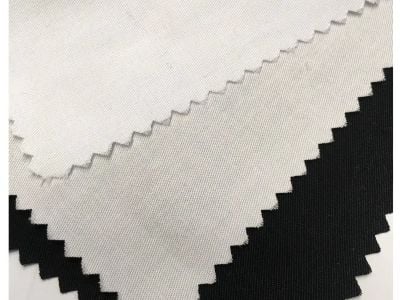
Rich color texture makes premium yarn dyed fabric popular for fashion brand designs due to its aesthetic appeal and versatility in garment manufacturing. Fashion brands prioritize unique textures and vibrant colors to differentiate their products in a competitive market. This article will explore critical factors buyers should consider when selecting yarn dyed fabric, addressing cost considerations, common issues, and the benefits of using this type of fabric in fashion designs.
What to Consider When Choosing Yarn Dyed Fabric for Fashion Designs?
When selecting yarn dyed fabric, buyers should consider several key factors:
Material Composition: The type of yarn used such as cotton, polyester, or blends can influence the fabric's look, feel, and performance. For instance, cotton offers breathability and comfort, while polyester can enhance durability and moisture-wicking properties.
Color Fastness: This refers to how well the fabric retains its color after washing and exposure to light. Brands should request information on color fastness ratings, especially if the garment will be subjected to frequent washing or outdoor conditions.
Texture and Finish: The texture can significantly impact the garment's drape and overall aesthetic. Fabrics with varied textures can create unique designs, so buyers should evaluate samples to ensure they meet their design vision.
Weight and Thickness: Different applications may require varying taffeta material fabric weights. For example, heavier fabrics may be suitable for outerwear, while lighter options work well for summer garments. Buyers should confirm specifications that align with their product applications.
Sustainability Factors: As sustainability becomes increasingly important, many brands are interested in recycled fabrics. Wujiang City Do Textile Co., Ltd. specializes in creating recycled fabrics from plastic bottles, which can appeal to eco-conscious brands.
Cost Factors for Yarn Dyed Fabrics
Several factors can influence the cost of yarn dyed fabrics, including:
Material Costs: The specific yarn type and quality will impact the price. Higher-quality or specialty yarns typically command higher prices.
Production Techniques: The complexity of the dyeing process, including methods like reactive or pigment dyeing, can affect costs. More intricate dyeing techniques may require additional time and resources, leading to higher prices.
Minimum Order Quantities (MOQ): Suppliers often have minimum order quantities that can affect the overall cost. Buyers should evaluate their purchasing needs against the supplier's MOQ to avoid excess inventory.
Customization: Custom colors or patterns can increase costs due to additional setup and processing requirements. Buyers should clearly communicate their design needs to understand any potential cost implications.
Shipping and Handling: Consideration of transportation costs and potential tariffs is crucial, especially for international orders. Buyers should evaluate total landed costs when comparing suppliers.
Common Problems with Yarn Dyed Fabrics and Effective Solutions
While yarn dyed fabrics offer many advantages, buyers may encounter common issues:
Color Bleeding: This occurs when the dye runs during washing. To mitigate this, buyers should request pre-treatment or color-fixing processes from their suppliers, ensuring color stability.
Shrinkage: Depending on the yarn and dyeing process, some polyester taffeta fabric may shrink after washing. Buyers should confirm shrinkage rates and consider pre-washing samples to evaluate this factor.
Inconsistent Color Matching: Variations in dye lots can lead to color mismatches. To address this, brands should order sufficient quantities from the same dye lot and conduct thorough quality inspections on incoming materials.
Fabric Durability: Some yarn dyed fabrics may not withstand rigorous use. Buyers should inquire about the durability of the fabric concerning the intended application and request performance testing results if applicable.
Benefits of Yarn Dyed Fabrics in Garment Manufacturing
Yarn dyed fabrics offer several advantages that enhance garment manufacturing:
Vibrant Colors and Patterns: The dyeing process occurs before weaving, allowing for deeper, more vibrant colors and intricate patterns that can elevate the garment's visual appeal.
Enhanced Fabric Strength: Yarn dyed poly taffeta fabric often exhibit greater strength and durability due to the dyeing process. This can lead to longer-lasting garments, a valuable selling point for manufacturers.
Versatility: These fabrics can be used in various applications, from casual wear to high-performance outdoor gear. Their adaptability makes them suitable for a broad range of fashion brands.
Sustainability: Many manufacturers, like Wujiang City Do Textile Co., Ltd., focus on producing sustainable yarn dyed fabrics, appealing to brands committed to environmentally friendly practices.
Better Print Quality: For brands that incorporate prints over dyed fabrics, the base color of yarn dyed fabric enhances print quality, making designs more vibrant and true to color.
Installation Guidance for Using Yarn Dyed Fabrics in Fashion Designs
Proper installation of yarn dyed fabrics is essential for achieving the desired outcome in garment manufacturing:
Sample Approval: Buyers should always approve a finished sample before mass production. This step ensures that the fabric meets expectations in terms of color, texture, and overall performance.
Sewing Techniques: Different fabrics may require specific sewing techniques to achieve the best results. For example, using the appropriate needle size and thread type can prevent issues like puckering or fabric damage.
Care Instructions: Clear care instructions should accompany garments made from yarn dyed fabrics. Buyers should communicate these requirements to their customers to maintain the fabric's integrity over time.
Quality Checks: Implementing thorough quality control processes during production can help identify any issues early. This includes checking for color consistency, fabric integrity, and adherence to the approved specifications.
Packaging Considerations: Proper packaging is crucial to protect yarn dyed fabrics during shipping. Choosing the right materials can prevent creasing and damage, ensuring the product arrives in excellent condition for the end-user.
By understanding these factors, buyers can make informed decisions when selecting yarn dyed fabrics for their fashion designs, ensuring high-quality and sustainable outcomes.
