
 AR
 BG
 HR
 CS
 DA
 NL
 FI
 FR
 DE
 EL
 HI
 IT
 JA
 KO
 NO
 PL
 PT
 RO
 RU
 ES
 SV
 CA
 TL
 IW
 ID
 LV
 LT
 SR
 SK
 SL
 UK
 VI
 SQ
 ET
 GL
 HU
 MT
 TH
 TR



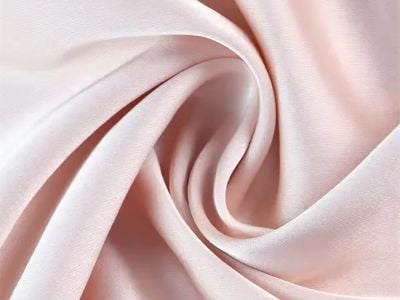
The overlooked component of lining fabric can lead to significant financial losses, as evidenced by how it ruined a $200K jacket order. Buyers must grasp the implications of selecting the right lining fabric, as it plays a critical role in the overall quality and functionality of garments. This article aims to highlight the importance of lining fabric in manufacturing, guide buyers in making informed choices, and underscore the consequences of neglecting this vital component
Understanding the Impact of Lining Fabric on Jacket Orders
Lining fabric serves as an essential layer within garments, contributing to comfort, durability, and performance. Its role extends beyond mere aesthetics; it impacts insulation, Breathability, and moisture management. For instance, a lining that does not match the outer pongee fabric in terms of Breathability can result in trapped moisture, leading to discomfort for the wearer and potentially damaging the jacket's outer layer
When buyers overlook the importance of lining fabric, they expose themselves to risks such as quality control issues and increased production costs. A misaligned lining can lead to customer dissatisfaction, returns, and ultimately, financial losses—illustrated by the $200K jacket order that fell through due to this oversight. Buyers should prioritize this component from the onset of their production planning to avoid such costly mistakes
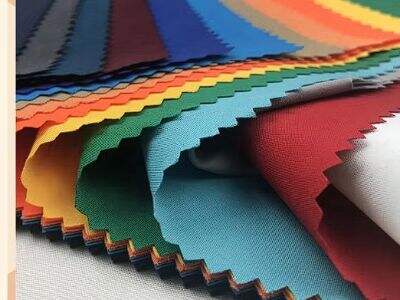
How to Choose the Right Lining Fabric for Your Jacket Production
Selecting the appropriate lining fabric hinges on several factors, including the intended use of the jacket, climate conditions, and desired performance characteristics. Buyers must first consider the jacket's end application—whether it is for outdoor sports, formal wear, or everyday use—as this will dictate the necessary qualities of the lining
For outdoor jackets, functional features such as waterproofing, Breathability, and thermal insulation are paramount. Fabrics like recycled polyester, which our company specializes in, can offer these properties while adhering to sustainability goals. Buyers should also evaluate the weight and thickness of the lining; a heavier fabric may provide warmth but could hinder ease of movement
Additionally, customization options such as color and texture should align with the overall design vision. Providing detailed specifications during the RFQ process can help manufacturers recommend suitable lining materials that meet performance and aesthetic requirements
Why Lining Fabric Matters in Manufacturing
Lining fabric is pivotal in garment manufacturing as it directly affects the product's quality and performance. From a manufacturing perspective, the right choice of lining can simplify assembly and enhance durability. For example, a lining that frays easily can lead to production delays and increased waste, while a high-quality lining can streamline the sewing process and reduce the likelihood of defects
Quality control measures should include thorough inspections of lining samples. This ensures that the poly taffeta fabric maintains its integrity during production, particularly under various stresses such as washing and wearing. Buyers should request samples and conduct wear tests to ensure that the lining performs as expected under real-world conditions
Furthermore, improper lining selection can lead to incompatibility with the outer fabric, affecting the garment's overall performance. For instance, a lining that is not moisture-wicking can lead to sweat buildup and discomfort, undermining the jacket's functional design

Assessing Lining Fabric for Jacket Projects
When assessing lining fabric for jacket projects, buyers should establish a checklist to guide their evaluation. Key factors include
Material Composition: Understand the blend of fibers (such as, polyester, nylon) and how they contribute to the fabric’s properties, such as Breathability and moisture resistance
Weight and Thickness: Lighter fabrics may be preferable for summer jackets, while heavier options are suitable for winter wear. The thickness should also align with the jacket's overall design
Durability: Evaluate the fabric's abrasion resistance and lifespan, especially for jackets expected to endure rugged use
Performance Specifications: Confirm characteristics like waterproof ratings or Breathability levels through relevant testing certifications
By carefully assessing these factors, buyers can ensure that the lining polyester taffeta fabric complements the jacket design while meeting performance standards. It is recommended that manufacturers provide documentation or testing results to substantiate claims about the lining fabric’s capabilities
Applications of Functional Lining Fabrics in Outdoor Gear Manufacturing
Functional lining fabrics are crucial in outdoor gear manufacturing, particularly for items such as puffer jackets and ski wear. These applications often require specific performance attributes to withstand various environmental challenges
For instance, waterproof linings are essential for ski jackets to keep the wearer dry in snowy conditions. Breathable linings are equally important, as they help regulate body temperature and prevent overheating during intense physical activity
Understanding and prioritizing the selection of lining fabric can save buyers from costly mistakes like those seen in the $200K jacket order failure. By considering the factors discussed, buyers can make informed decisions that lead to successful garment production, meeting both functional and aesthetic standards
