
 AR
 BG
 HR
 CS
 DA
 NL
 FI
 FR
 DE
 EL
 HI
 IT
 JA
 KO
 NO
 PL
 PT
 RO
 RU
 ES
 SV
 CA
 TL
 IW
 ID
 LV
 LT
 SR
 SK
 SL
 UK
 VI
 SQ
 ET
 GL
 HU
 MT
 TH
 TR



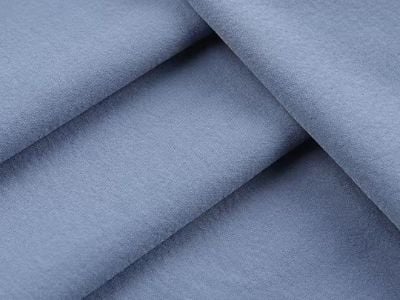
Recycled fabric is gaining traction as a sustainable alternative in the textile industry. However, sourcing recycled fabric without GRS (Global Recycled Standard) paperwork poses significant compliance risks, making it a potential compliance time bomb for manufacturers and brands. This article will address key considerations for buyers, including quality standards, cost factors, specifications, and the many benefits of incorporating recycled polyester fabric into manufacturing processes. Understanding these elements is essential for making informed purchasing decisions and ensuring compliance in the evolving landscape of sustainable textiles.
What to Know About Recycled Fabric Without GRS Paperwork Compliance?
Sourcing recycled fabric without GRS certification might seem like a cost-saving strategy, but it can lead to serious compliance issues. GRS certification ensures that the recycled materials used in the fabric meet specific environmental, social, and chemical standards. Without this documentation, manufacturers risk accusations of greenwashing and face hurdles in proving their sustainability claims to consumers and regulatory bodies.
Moreover, without GRS compliance, companies may struggle with transparency in their supply chains, leading to difficulties in tracing the origin of materials. This lack of traceability can be a red flag for purchasing managers who prioritize ethical sourcing. Compliance risks can result in financial penalties, damage to brand reputation, and loss of market access, especially as consumers increasingly demand transparency from brands about their sustainability practices.
Understanding Quality Standards for Recycled Fabric Products
Quality standards for recycled fabrics are crucial for ensuring product performance and safety. Key specifications to consider include:
Material Composition: Buyers should verify the proportion of recycled materials in the fabric blend. A higher percentage of recycled content often leads to better sustainability credentials.
Physical Properties: Understanding the physical properties of the fabric, such as weight, durability, and texture, is essential. For instance, fabrics used in outdoor gear must meet specific durability standards to withstand harsh conditions.
Chemical Safety: Compliance with regulations regarding harmful substances, such as REACH (Registration, Evaluation, Authorisation, and Restriction of Chemicals), is necessary to ensure the fabric is safe for end consumers.
Buyers should request certifications and test reports from manufacturers to validate that the recycled cotton fabric meet these quality standards before proceeding with bulk orders.
Cost Factors When Sourcing Recycled Fabrics in Bulk
When sourcing recycled fabrics in bulk, various cost factors come into play. While 100 recycled polyester fabric can offer cost advantages in terms of raw material savings, buyers should consider the following:
Raw Material Availability: The cost of recycled materials can fluctuate based on market demand and availability. Understanding the supply chain dynamics can help buyers negotiate better pricing.
Production Costs: The manufacturing processes for recycled fabrics, such as the need for specialized equipment or additional processing steps, can impact overall production costs. Buyers should inquire about these factors when evaluating quotes.
Minimum Order Quantities (MOQs): Manufacturers typically have MOQs that can affect pricing. Lower MOQs may come at a higher cost per unit, so considering larger orders might provide savings in the long run.
Shipping and Packaging: Costs related to transportation and packaging should not be overlooked. Assessing these aspects can help in budgeting for the overall procurement process.
By thoroughly understanding these cost factors, buyers can make informed decisions that align with their budgetary constraints while still achieving their sustainability goals.
Comparing Specifications of Recycled Fabrics for Your Projects
When evaluating different suppliers of recycled fabrics, a systematic comparison of specifications is essential. Key specifications to consider include:
Fabric Weight: Measured in grams per square meter (GSM), the fabric weight directly affects its durability and suitability for specific applications. For instance, heavier fabrics are ideal for outerwear, while lighter fabrics may be better suited for linings.
Performance Features: Look for added functionalities such as waterproofing, breathability, and wind resistance. These features enhance the usability of the fabric in various applications, particularly in outdoor gear and sportswear.
Colorfastness and Finish: Assessing the colorfastness of the fabric ensures that it maintains its appearance after washing. The type of finish applied can also influence the fabric’s overall performance and aesthetic appeal.
By creating a comparison chart that includes these specifications, buyers can easily identify the best options for their specific projects and applications.
Evaluating the Benefits of Using Recycled Fabrics in Manufacturing
Utilizing recycled fabrics in manufacturing presents numerous benefits beyond compliance and cost considerations. Key advantages include:
Environmental Impact: By choosing recycled materials, manufacturers contribute to reducing plastic waste and minimizing the carbon footprint associated with textile production. This aligns with growing consumer expectations for eco-friendly products.
Market Differentiation: Brands that utilize recycled fabrics can differentiate themselves in a crowded market by promoting their sustainability efforts. This can attract environmentally conscious consumers and enhance brand loyalty.
Innovation Opportunities: Working with recycled materials often drives innovation in product development. Manufacturers can explore new designs and applications for recycled fabrics, enhancing their product offerings.
Compliance and Risk Mitigation: By sourcing GRS-certified recycled fabrics, companies can mitigate compliance risks and demonstrate their commitment to sustainability, which can lead to improved relationships with stakeholders.
Incorporating recycled fabrics into manufacturing not only supports environmental sustainability but also opens doors for innovation and competitive advantage in the marketplace.
By understanding the implications of sourcing recycled fabric without GRS certification, adhering to quality standards, considering cost factors, comparing specifications accurately, and evaluating the benefits, purchasing managers and manufacturers can make informed decisions that align with their operational and sustainability goals.
Table of Contents
- What to Know About Recycled Fabric Without GRS Paperwork Compliance?
- Understanding Quality Standards for Recycled Fabric Products
- Cost Factors When Sourcing Recycled Fabrics in Bulk
- Comparing Specifications of Recycled Fabrics for Your Projects
- Evaluating the Benefits of Using Recycled Fabrics in Manufacturing
