
 AR
 BG
 HR
 CS
 DA
 NL
 FI
 FR
 DE
 EL
 HI
 IT
 JA
 KO
 NO
 PL
 PT
 RO
 RU
 ES
 SV
 CA
 TL
 IW
 ID
 LV
 LT
 SR
 SK
 SL
 UK
 VI
 SQ
 ET
 GL
 HU
 MT
 TH
 TR



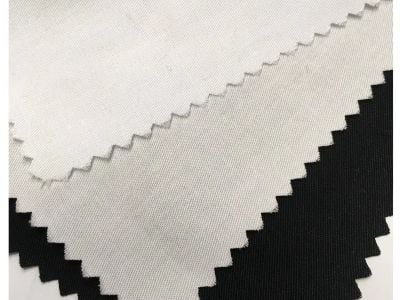
High-quality printed fabric supplies require clear and consistent patterns, ensuring that the end products meet both aesthetic and functional demands. For B2B buyers, especially those in industries like garment manufacturing and outdoor gear production, the quality of printed fabrics can significantly impact product performance, durability, and customer satisfaction. This article will guide procurement professionals through essential considerations when sourcing printed 190t pongee fabric, covering specifications, applications, and common challenges, equipping them with practical knowledge to make informed purchasing decisions.
Essential for Quality Supplies
When sourcing printed fabrics, key elements such as material quality, print consistency, and durability are critical. Quality supplies not only enhance the aesthetic appeal of the final product but also ensure that it withstands wear and environmental conditions. Buyers should prioritize fabrics that feature high-resolution prints and colorfastness, as these factors directly influence the longevity and usability of the final garment.
Wujiang City Do Textile Co., Ltd. specializes in producing functional fabrics, including recycled materials that contribute to sustainability. This focus not only enhances the environmental profile of the final product but also aligns with the increasing consumer demand for eco-friendly solutions. Buyers should ensure that their suppliers can demonstrate a commitment to quality control processes, including testing for color retention, fabric strength, and environmental impact.
Sourcing Reliable Fabric Suppliers
Finding reliable fabric suppliers involves vetting potential partners based on their manufacturing capabilities and past performance. Buyers should look for manufacturers who can provide detailed information about their production processes, including the machinery used and the techniques employed in fabric printing.
Additionally, it is beneficial to evaluate suppliers' experience in the specific market segment relevant to their needs. For instance, suppliers like Wujiang City Do Textile Co., Ltd., which has been in operation since 2010, have accumulated valuable expertise in producing pongee fabric for puffer jackets and ski-wear. Buyers should also consider the supplier’s ability to provide samples for approval, as this allows for a firsthand assessment of print quality, fabric texture, and overall suitability for the intended application.
Key Specifications to Consider
When assessing printed fabrics, several key specifications should be taken into account:
Material Type: The choice of material affects the fabric's performance. For example, polyester and nylon are commonly used for outdoor applications due to their durability and moisture-wicking properties.
Print Quality: Buyers should verify the printing technology employed. Digital printing may offer better color accuracy and detail compared to traditional methods, making it ideal for intricate designs.
Weight and Thickness: The nylon taffeta fabric weight can influence its drape and feel. Lighter fabrics may be preferred for summer wear, while heavier options are suitable for winter garments.
Functional Properties: Consider whether the fabric needs to be waterproof, breathable, or windproof. These features are crucial for outdoor gear, affecting user comfort and performance.
Colorfastness: Fabrics should maintain their color through various treatments, including washing and exposure to sunlight. Testing for colorfastness can prevent issues post-production.
Understanding these specifications allows buyers to match fabrics with their intended applications effectively, ensuring customer satisfaction and minimizing returns.
What to Know About Printed Fabric Applications in Industry?
Printed fabrics have diverse applications across industries, particularly in apparel, outdoor gear, and home textiles. For instance, in the outdoor gear market, fabrics that combine print design with functional properties such as moisture management and UV protection are in high demand.
When selecting printed fabrics, buyers should consider the specific requirements of their applications. For example, ski-wear must not only look appealing but also perform under extreme weather conditions, necessitating a careful balance of aesthetics and functionality.
Moreover, understanding the end-use helps in determining the appropriate fabric treatments and finishes. Functional coatings, for instance, can enhance water repellency without compromising breathability, which is essential for garments used in variable climates.
Common Problems with Printed Fabrics and Effective Solutions
Despite advances in fabric technology, buyers may encounter several common issues when dealing with printed fabrics:
Print Quality Issues: Inconsistencies in print quality, such as blurriness or misalignment, can occur during production. To mitigate this, buyers should require samples and discuss the printing process with suppliers to ensure they use high-quality machinery and techniques.
Color Variability: Color differences between production batches can lead to mismatched products. Implementing stringent quality control and requiring color standards can help maintain consistency across orders.
Durability Concerns: Printed fabrics may experience fading or wear over time, particularly when exposed to harsh conditions. Buyers should look for fabrics treated with UV inhibitors or those that are inherently resistant to fading.
Environmental Impact: With the increasing importance of sustainability, buyers should prioritize suppliers that utilize eco-friendly inks and processes. This not only addresses consumer concerns but can also enhance the brand's reputation.
By being aware of these potential problems and proactive in their approach, buyers can choose suppliers who are equipped to deliver high-quality printed fabrics that meet their specific needs.
buyers play a crucial role in selecting printed fabrics that align with their performance and aesthetic criteria. By focusing on quality specifications, reliable suppliers, and understanding application needs, they can make informed decisions that enhance their product offerings and satisfy end consumers. Wujiang City Do Textile Co., Ltd. is committed to providing advanced, sustainable fabric solutions that support manufacturers in achieving their production goals.
