
 AR
 BG
 HR
 CS
 DA
 NL
 FI
 FR
 DE
 EL
 HI
 IT
 JA
 KO
 NO
 PL
 PT
 RO
 RU
 ES
 SV
 CA
 TL
 IW
 ID
 LV
 LT
 SR
 SK
 SL
 UK
 VI
 SQ
 ET
 GL
 HU
 MT
 TH
 TR



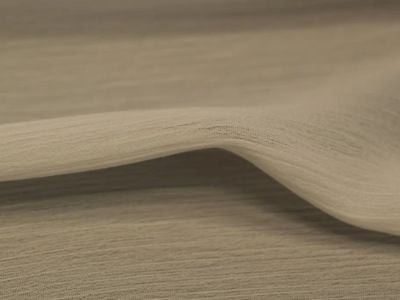
Yarn dyed fabrics are increasingly popular in the textile industry, known for their vibrant colors and durability. However, it’s essential to note that yarn dyed fabric lead times run 4 weeks longer than piece dyed options, which can significantly impact planning for garment production. For purchasing managers and buyers, understanding these lead times is crucial for effective scheduling and inventory management. This article will delve into the various aspects of sourcing yarn dyed fabric, including lead times, quality evaluation, and the differences between yarn dyed and piece dyed fabrics, to help you navigate your procurement process efficiently.
Understanding Yarn Dyed Fabric Lead Times for Bulk Orders
When sourcing yarn dyed fabrics, buyers should anticipate longer lead times, typically extending by four weeks compared to piece dyed fabrics. This delay is primarily due to the additional processes involved in yarn dyeing, such as the preparation of yarn dyed cloth, dyeing them to the desired shade, and then weaving them into the final fabric.
For companies like Wujiang City Do Textile Co., Ltd., which specialize in functional textiles, understanding these lead times is critical for managing production schedules. Buyers should factor in these timelines when placing bulk orders, especially for seasonal collections or new product launches. It's advisable to communicate your timeline and production needs to your supplier early in the process to ensure timely delivery.
What to Consider When Sourcing Yarn Dyed vs. Piece Dyed Fabrics?
The choice between yarn dyed and piece dyed fabrics often hinges on factors such as color vibrancy, fabric application, and cost. Yarn dyed fabrics are known for their superior colorfastness and depth, making them ideal for high-end apparel, such as puffer jackets and ski-wear, where durability and appearance are paramount. In contrast, piece dyed fabrics are more economical and can be produced more rapidly, making them suitable for basic garments or large-volume orders.
When sourcing yarn dyed fabrics, consider the following:
Color Matching: Confirm that the dyeing process can achieve the specific colors required for your designs.
Material Specifications: Ensure that the fabric meets the necessary performance standards for its intended application, such as waterproof or breathable properties.
Sample Approval: Always request a sample before mass production to ensure that the fabric meets your quality expectations.
Evaluating the Quality of Yarn Dyed Fabrics for Your Projects
Quality evaluation of yarn dyed fabrics should focus on several key parameters. First, assess the colorfastness, which indicates how well the dye adheres to the fabric. This is especially important for garments that will undergo repeated washing and exposure to sunlight. A common test for this is the wash fastness test, which measures how much color is lost after laundering.
Next, consider the fabric's texture and weight, as these factors affect the overall feel and drape of the finished garment. Look for fabrics that maintain their integrity after stretching or exposure to moisture.
Additionally, reviewing the manufacturer’s quality control processes is crucial. A reputable supplier will have rigorous testing protocols in place to ensure that their fabrics meet industry standards. Buyers should inquire about certifications and quality assurance measures to guarantee the materials' performance.
Common Challenges in Yarn Dyed Fabric Sourcing and Solutions
Sourcing yarn dyed fabrics presents several challenges that buyers should be aware of. One common issue is variability in dye lots, which can lead to inconsistencies in color across different batches. To mitigate this, buyers should establish clear communication with their suppliers regarding dye lot management and request detailed documentation for each order.
Another challenge is the longer lead time, which can disrupt production schedules. To address this, companies should work closely with suppliers to develop a comprehensive timeline from the initial order to final delivery. Planning for contingencies and having accurate forecasts can help manage these extended timelines.
Buyers should also be vigilant about potential issues during production, such as machine compatibility and fabric defects. Requesting regular updates and maintaining open lines of communication with the manufacturer can help identify and rectify these problems early in the process.
Key Differences Explained
The primary differences between yarn dyed and piece dyed fabrics lie in their production processes and end-use applications. Yarn dyed fabrics are dyed before they are woven, allowing for more intricate patterns and color combinations, enhancing the visual appeal of the final product. This method is particularly beneficial for designs that require multi-colored patterns or detailed prints.
In contrast, piece dyed fabrics are dyed after weaving, typically resulting in a more uniform color throughout the cotton spandex fabric. This method is faster and less expensive, suitable for high-volume production where intricate designs are not necessary.
When deciding between the two, consider the following aspects:
Cost: Yarn dyed fabrics generally carry a higher price point due to the complexity of the dyeing process.
Production Time: Piece dyed fabrics are quicker to produce, making them suitable for time-sensitive projects.
Durability: Yarn dyed fabrics tend to offer better durability and color retention, making them ideal for outdoor gear that experiences harsh conditions.
By understanding these differences, buyers can make informed decisions that align with their project requirements and budget constraints.
Navigating the complexities of sourcing yarn dyed fabrics demands a thorough understanding of lead times, quality considerations, and the specific needs of your projects. By addressing these factors, businesses can optimize their procurement processes, ensuring timely delivery and high-quality outcomes.
