
 AR
 BG
 HR
 CS
 DA
 NL
 FI
 FR
 DE
 EL
 HI
 IT
 JA
 KO
 NO
 PL
 PT
 RO
 RU
 ES
 SV
 CA
 TL
 IW
 ID
 LV
 LT
 SR
 SK
 SL
 UK
 VI
 SQ
 ET
 GL
 HU
 MT
 TH
 TR



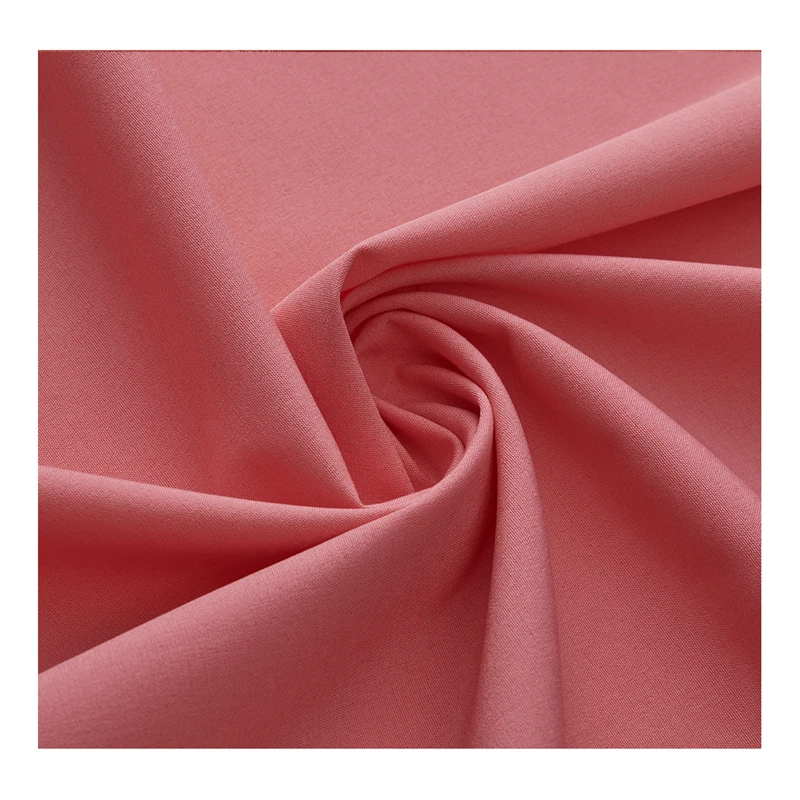
Understanding the issue of stretch loss in spandex fabrics is critical for manufacturers and buyers, especially when considering the impact of repeated washing on performance. The Spandex Fabric Problem Nobody Talks About: Stretch Loss After 50 Washes highlights a significant concern that needs addressing in the production and selection of spandex materials for outdoor gear and garments. This article will delve into the nature of stretch loss, its implications for product performance, and practical solutions to mitigate these issues, ensuring that purchasing managers and product developers are well-informed in their decision-making processes.
Understanding Stretch Loss in Spandex Fabrics After 50 Washes
Stretch loss in spandex fabrics occurs when the elasticity of the material diminishes after repeated laundering. This phenomenon can be particularly pronounced after around 50 washes, which is a standard benchmark for evaluating fabric durability in the garment industry. Factors contributing to stretch loss include the quality of the spandex fibers, the weaving process, and the treatments applied during manufacturing.
For instance, repeated exposure to water, heat, and detergents can break down the molecular structure of spandex fibers. Buyers should be aware that not all nylon spandex fabric are created equally; variations in manufacturing techniques can influence the extent of stretch retention. When evaluating spandex options, consider fabrics that are engineered specifically for durability, such as those produced by Wujiang City Do Textile Co., Ltd., which specializes in advanced functional fabrics designed to withstand rigorous use.
Cost, Performance, and Reliability
When it comes to selecting spandex fabrics, buyers must balance cost with performance and reliability. Cheaper fabrics may initially seem appealing, but they often lack the durability necessary for high-quality outdoor gear. Stretch loss can lead to garments losing their fit and comfort, which directly impacts user experience and satisfaction.
Moreover, investing in high-quality spandex can reduce long-term costs associated with returns and replacements. It's essential to consider the total cost of ownership, including how well the fabric performs after multiple washes. For example, a more expensive spandex that maintains its elasticity and shape through many washes will likely prove to be a better investment than a lower-cost alternative that fails quickly.
Additionally, reliability is crucial in outdoor applications. Fabrics that lose their stretch can compromise the functionality of gear, especially in extreme conditions. Buyers should prioritize suppliers that offer robust quality control processes to ensure the longevity and performance of their products.
Solutions to Stretch Loss Issues
To combat stretch loss in spandex fabrics, manufacturers can adopt several strategies. One effective approach is to utilize higher-grade spandex fibers that are treated to enhance their durability. Incorporating blends of spandex with other materials, such as nylon or polyester, can also improve overall fabric strength and resilience.
Another solution involves optimizing the weaving process. By using advanced weaving techniques, manufacturers can create tighter weaves that better retain elasticity. Regular testing for stretch retention during production can help identify and rectify any potential issues before the fabrics reach the market.
For buyers, it is advisable to request samples and conduct wash tests before committing to larger orders. This hands-on approach allows for a real-world assessment of how the fabric will perform over time, helping to make an informed decision based on tangible results.
What to Consider When Choosing Spandex Fabrics for Outdoor Gear
When selecting cotton spandex fabric for outdoor gear, several key factors should guide your decision-making process. First, assess the intended application of the fabric. For high-performance outdoor wear, you may want to prioritize fabrics that offer moisture-wicking properties, UV protection, and breath-ability alongside stretch.
Next, consider the fabric's weight and thickness. Thicker fabrics may provide better durability but can also affect the garment's comfort and flexibility. Buyers should aim for a balance that meets the specific needs of the end user.
Additionally, evaluate the manufacturer's production capabilities and customization options. Wujiang City Do Textile Co., Ltd. offers a variety of functional fabrics, including those made from recycled materials, which align with the growing demand for sustainable options in the outdoor apparel market. Customization capabilities can also be crucial in achieving specific performance characteristics tailored to particular applications.
Finally, check for certifications or testing results that indicate the fabric's performance standards. Any claims regarding stretch retention or durability should be backed by reliable data.
Installation Guidance for Spandex Fabrics in Garment Manufacturing
Installing spandex fabrics in garment manufacturing requires careful attention to detail to ensure optimal performance. It is essential to follow the manufacturer's guidelines for cutting and sewing, as improper techniques can lead to issues such as distortion and misalignment that exacerbate stretch loss.
When working with spandex, using the right type of sewing machine and needles is crucial. A Serger or an overlock machine is typically recommended, as these machines can provide the necessary stretch in seams to accommodate the fabric's elasticity. Additionally, employing specific stitching techniques, such as flat-lock seams, can enhance comfort and reduce chafing in garments.
Buyers should also consider the importance of pre-washing fabrics before cutting and sewing to pre-shrink the material and identify any potential issues with stretch loss. This proactive step can help ensure that the final product meets performance expectations and maintains its shape after multiple washes.
In summary, addressing the stretch loss in spandex fabric stretchy after 50 washes is critical for ensuring the longevity and performance of outdoor gear. By understanding the implications of stretch loss and implementing effective solutions, manufacturers and buyers can enhance product reliability and customer satisfaction.
