
 AR
AR
 BG
BG
 HR
HR
 CS
CS
 DA
DA
 NL
NL
 FI
FI
 FR
FR
 DE
DE
 EL
EL
 HI
HI
 IT
IT
 JA
JA
 KO
KO
 NO
NO
 PL
PL
 PT
PT
 RO
RO
 RU
RU
 ES
ES
 SV
SV
 CA
CA
 TL
TL
 IW
IW
 ID
ID
 LV
LV
 LT
LT
 SR
SR
 SK
SK
 SL
SL
 UK
UK
 VI
VI
 SQ
SQ
 ET
ET
 GL
GL
 HU
HU
 MT
MT
 TH
TH
 TR
TR



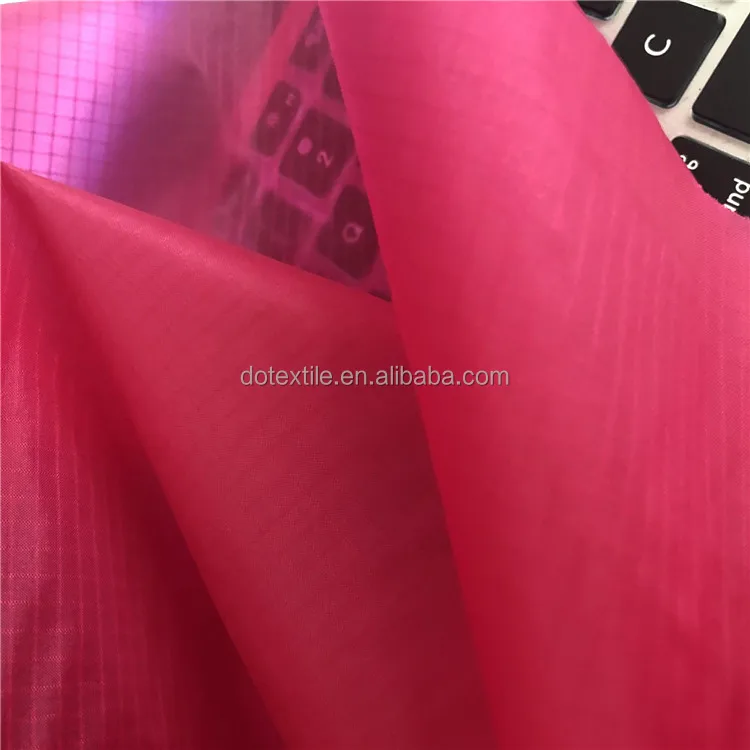
When choosing fabrics for active wear, two of the most commonly compared materials are nylon and polyester. This article delves into the nuances of nylon fabric vs. polyester in active wear, providing a mill-level fiber comparison that highlights their key differences, applications, and sourcing insights. Understanding these differences is crucial for purchasing managers, garment manufacturers, and product managers who need to select the right material for their specific needs, considering factors such as performance, durability, and cost-effectiveness.
Key Differences
Nylon and polyester are both synthetic fibers, but they exhibit distinct characteristics that affect their performance in active wear.
Strength and Durability: Nylon spandex fabric is known for its superior strength and abrasion resistance, making it ideal for high-stress applications like outdoor gear and sportswear. In contrast, while polyester is strong, it is slightly less durable than nylon, which may be a consideration for specific active wear applications.
Moisture Management: Polyester excels in moisture-wicking properties, rapidly drawing sweat away from the body and facilitating quick drying. Nylon, while also moisture-resistant, tends to absorb more water, which can lead to a heavier feel when wet.
Breathability and Comfort: Nylon generally offers better breath ability compared to polyester. This can be critical for active wear, where comfort during movement is paramount. However, advancements in polyester technology have improved its breath ability, making it a viable option for many active wear applications.
Environmental Impact: As a company focused on sustainable solutions, Wujiang City Do Textile Co., Ltd. produces recycled fabrics, including those made from plastic bottles. Polyester can be recycled more easily than nylon, making it a preferred choice for environmentally conscious brands. However, recycled nylon is also becoming more available, providing options for sustainable active wear.
Wholesale Supplier Insights on Nylon vs. Polyester for Activewear
When sourcing nylon and polyester fabrics for active wear, there are several key considerations for wholesale buyers.
Material Specifications: Understand the technical specifications of the fabrics, such as denier (the thickness of the fiber), weave type, and finish. These factors directly influence the fabric's performance, durability, and feel.
Customization Capabilities: Suppliers like Wujiang City Do Textile Co., Ltd. can offer customized fabric solutions tailored to specific performance requirements. This includes options for waterproofing, breath ability, and UV protection, which are essential for outdoor active wear.
Minimum Order Quantities (MOQs): MOQs can vary significantly between suppliers. Buyers should carefully evaluate their production needs and negotiate MOQs that align with their purchasing strategies.
Quality Control Processes: A reliable supplier should have stringent quality control measures in place. Request information about testing protocols for durability, color-fastness, and other relevant metrics to ensure the fabric meets your active wear standards.
When to Use Nylon vs. Polyester Fabrics
Deciding whether to use nylon or polyester fabric depends on the specific application and performance requirements of the active wear.
Use Nylon When:
High durability and abrasion resistance are needed, such as in hiking gear, ski-wear, or puffer jackets.
Enhanced breath ability is a priority for activities that involve high levels of physical exertion.
A softer feel against the skin is desired, as nylon typically offers a smoother texture.
Use Polyester When:
Moisture-wicking capabilities are essential for activities like running or cycling, where sweat management is critical.
A cost-effective option is needed, as polyester is generally less expensive than nylon.
The fabric will be exposed to UV light, as polyester has better UV resistance, making it suitable for outdoor apparel.
Nylon vs. Polyester in Bulk Orders
When considering bulk orders of nylon and polyester fabrics, buyers should take several factors into account:
Pricing: The price of nylon is typically higher than that of polyester due to its production costs and superior qualities. Buyers should assess their budget and determine how material choice impacts overall production costs.
Lead Time: Production lead times can vary based on fabric type and supplier capabilities. Polyester may have shorter lead times due to its widespread availability and established manufacturing processes.
Sample Approval: Before placing a bulk order, it’s advisable to request fabric samples for testing. This allows buyers to evaluate the actual performance characteristics, such as stretch, recovery, and feel, which are critical for end-user satisfaction.
Logistics and Packaging: Discuss packaging methods with suppliers to ensure that the fabric is shipped in a way that protects its quality. Wujiang City Do Textile Co., Ltd. can offer various packaging solutions that align with international shipping standards.
Sourcing Nylon and Polyester Fabrics
When sourcing recycled nylon fabric and polyester fabrics, buyers should follow these guidelines to ensure they make informed decisions:
Research Potential Suppliers: Investigate suppliers’ manufacturing capabilities, product offerings, and sustainability practices. Wujiang City Do Textile Co., Ltd. specializes in developing functional fabrics and can provide a range of recycled options.
Verify Certifications: Ensure that suppliers have relevant certifications that demonstrate their commitment to quality and sustainability. This may include ISO certifications or compliance with environmental standards.
Request Technical Data Sheets: Obtain detailed technical data sheets for the fabrics under consideration. These documents should include information on material specifications, performance characteristics, and recommended care instructions.
Evaluate Samples: Before finalizing a supplier, thoroughly test fabric samples to assess their suitability for specific applications. Check for factors such as color retention, stretch, and recovery, as well as comfort against the skin.
By understanding the key differences between nylon and polyester fabrics, buyers can make informed decisions that align with their active wear needs. Whether prioritizing durability, moisture management, or sustainability, the right fabric choice can significantly impact the performance and appeal of active wear products.
