
 AR
AR
 BG
BG
 HR
HR
 CS
CS
 DA
DA
 NL
NL
 FI
FI
 FR
FR
 DE
DE
 EL
EL
 HI
HI
 IT
IT
 JA
JA
 KO
KO
 NO
NO
 PL
PL
 PT
PT
 RO
RO
 RU
RU
 ES
ES
 SV
SV
 CA
CA
 TL
TL
 IW
IW
 ID
ID
 LV
LV
 LT
LT
 SR
SR
 SK
SK
 SL
SL
 UK
UK
 VI
VI
 SQ
SQ
 ET
ET
 GL
GL
 HU
HU
 MT
MT
 TH
TH
 TR
TR



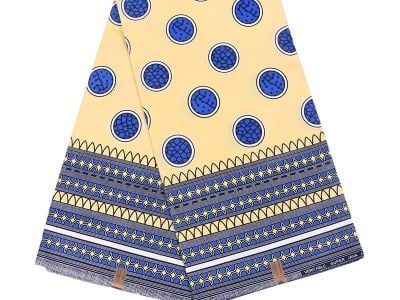
The cotton fabric shortage is real, and it poses significant challenges for manufacturers and suppliers gearing up for Q4 production. As various industries rely on cotton for their textiles, this shortage can lead to increased costs and delayed timelines. Understanding how to lock in capacity before Q4 is crucial for purchasing managers and manufacturers aiming to maintain their supply chains and meet customer demands. This article will explore effective strategies, key insights from suppliers, and essential factors to consider when sourcing cotton fabrics.
How to Lock in Cotton Fabric Capacity Before Q4 Purchases?
To effectively lock in cotton fabric capacity before Q4, it is essential to start discussions with suppliers as early as possible. Engage with manufacturers to understand their current capacity and forecasted demand. Requesting quotes and placing orders ahead of time will not only secure your material but may also allow for better pricing or terms.
Consider establishing long-term contracts or agreements with key suppliers. This approach can provide stability in pricing and availability, allowing your business to plan production schedules more effectively. Additionally, keep a close eye on market trends and potential disruptions that may affect cotton availability, such as climate conditions or geopolitical factors.
Key Supplier Insights
Working with suppliers like Wujiang City Do Textile Co., Ltd. provides unique advantages. As a manufacturer specializing in functional fabrics, they can offer insights into the latest trends in sustainable materials, such as recycled fabrics made from plastic bottles. This aligns with the growing demand for eco-friendly textiles, which can be a selling point for your products.
It's also vital to understand the supplier's manufacturing capabilities. Inquire about their production equipment, quality control processes, and commitment to sustainability. A reliable supplier will have certifications and a proven track record of delivering high-quality materials on time. Building a strong relationship with your supplier can lead to better communication and more favorable terms during negotiations.
Comparing Cotton Fabric Specifications for Your Projects
When sourcing cotton fabrics, it is crucial to compare specifications to ensure they meet your project's requirements. Key specifications to consider include:
Fabric Weight: Heavier fabrics may offer more durability but can affect the comfort and drape of the final product. Lighter fabrics may be more suitable for summer wear but may not provide the same level of insulation.
Yarn Count: This measures the fineness of the fabric. A higher yarn count typically indicates a softer feel and better quality but may come at a higher cost.
Weave Type: Different weaves (such as plain, twill, or satin) affect the cribbed cotton fabric texture, strength, and appearance. Consider the intended use of the fabric when selecting the weave type.
Finishing Treatments: Fabrics can undergo various finishing processes to enhance their properties, such as water resistance or breath ability. Understanding these treatments is essential for ensuring the fabric meets performance requirements.
Evaluating these specifications against your project needs will help you make informed decisions and avoid potential issues during production.
What to Consider When Sourcing Cotton Fabrics Wholesale?
Sourcing cotton fabrics wholesale involves several key considerations beyond just price. Here are crucial factors to evaluate:
Minimum Order Quantity (MOQ): Different suppliers have varying MOQs. Ensure that the MOQ aligns with your production needs to avoid excess inventory or missed opportunities.
Lead Time: Understand the lead times associated with each supplier. A longer lead time may affect your production schedule, especially if you are working towards a specific launch date.
Customization Options: Many suppliers offer customization in terms of colors, prints, and finishes. Determine your requirements early on to ensure that the supplier can accommodate your needs.
Shipping and Packaging: Inquire about the packaging methods used during shipping. Proper packaging can prevent damage during transport, which is critical for maintaining brushed cotton fabric quality.
Additionally, developing a clear communication channel with your supplier can facilitate smoother transactions and help address any issues that may arise during the sourcing process.
Common Problems with Cotton Fabric Supply and Their Solutions
The cotton fabric supply chain is not without its challenges. Common problems include:
Supply Disruptions: Weather events or trade policies can impact cotton availability. To mitigate this risk, consider diversifying your supplier base to avoid dependence on a single source.
Quality Variability: Inconsistent fabric quality can lead to production delays and increased costs. To combat this, implement a robust quality inspection process. Request samples from suppliers and conduct tests to verify ribbed cotton fabric performance before placing large orders.
Increased Costs: Rising cotton prices can affect overall production costs. Engage in negotiations for bulk pricing or explore alternative materials, such as recycled fabrics, that may offer cost benefits while catering to sustainability trends.
By being proactive and addressing these common issues, businesses can better navigate the complexities of cotton fabric sourcing and ensure a steady supply for their production needs.
