
 AR
 BG
 HR
 CS
 DA
 NL
 FI
 FR
 DE
 EL
 HI
 IT
 JA
 KO
 NO
 PL
 PT
 RO
 RU
 ES
 SV
 CA
 TL
 IW
 ID
 LV
 LT
 SR
 SK
 SL
 UK
 VI
 SQ
 ET
 GL
 HU
 MT
 TH
 TR



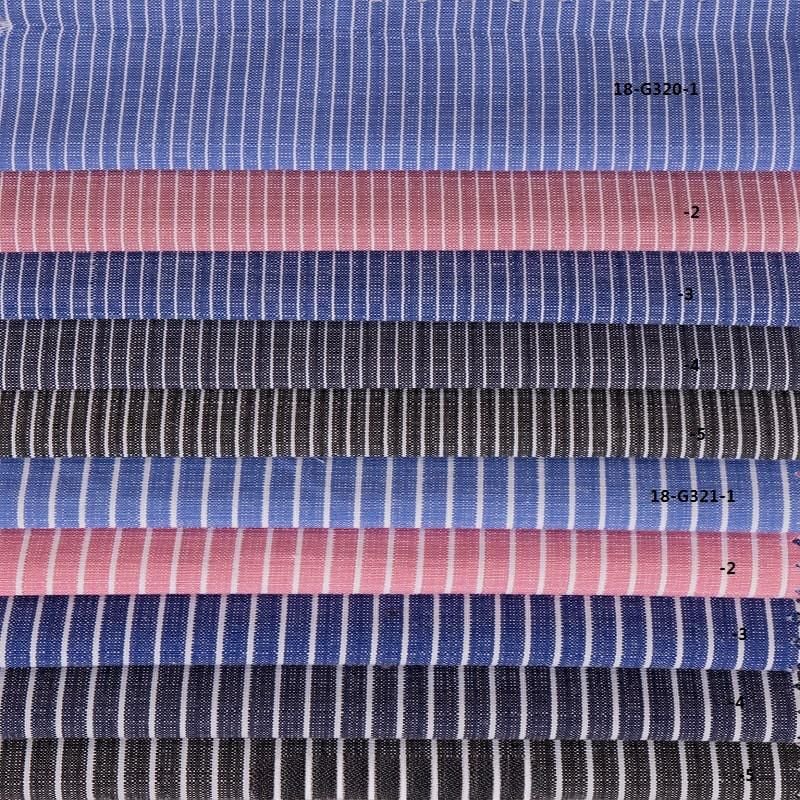
Maintaining color consistency in dyed fabrics is a significant challenge for manufacturers, particularly when producing large orders across multiple batches. Wujiang City Do Textile Co., Ltd. has honed its processes to ensure that dyed fabric shade variation remains under Delta E 1.0 across three batches. This article will explore the importance of shade consistency, key specifications for dyed fabrics, supplier reliability, cost considerations, and applications of high-quality dyed fabrics in various industries, helping B2B buyers make informed purchasing decisions.
Understanding Shade Variation in Fabric for Wholesale Buyers
Shade variation refers to the differences in color that can occur in yarn dyed fabric, even when produced in the same dye lot. For wholesale buyers, this poses a risk of inconsistent product quality, which can lead to customer dissatisfaction, increased returns, and potential damage to brand reputation. Understanding how manufacturers like Wujiang City Do Textile Co., Ltd. manage shade variation is crucial for buyers looking for reliable fabric sourcing.
One of the primary measures of shade consistency is the Delta E value, which quantifies the difference in color between two samples. A Delta E value of 1.0 or less indicates that the colors are nearly indistinguishable to the human eye. Buyers should seek suppliers who implement stringent quality control processes and utilize advanced dyeing techniques to achieve this level of consistency.
Key Specifications for Dyed Fabrics with Delta E 1.0 Quality
When sourcing dyed fabrics, it is vital to consider several specifications that impact the overall quality and shade consistency. Key specifications include:
Material Composition: The type of fiber used (e. g., polyester, nylon, or recycled materials) affects how dye interacts with the fabric. Different fibers absorb dyes differently, which can lead to variations in shade.
Dye Type: The choice of dye, such as reactive, disperse, or acid dyes, plays a significant role in color fastness and consistency. Each dye type has unique properties that may contribute to or mitigate shade variation.
Dyeing Process: Techniques such as batch dyeing, continuous dyeing, or digital printing can influence shade consistency. A controlled dyeing environment and precise application methods help achieve a Delta E of 1.0 or less.
Post-Treatment Processes: After dyeing, treatments like heat setting or washing can further stabilize colors. Buyers should ensure that the supplier employs effective post-treatment methods to lock in the desired shades.
By confirming these specifications, buyers can better evaluate the potential for consistent dye lots and make informed decisions about their fabric suppliers.
Evaluating Supplier Reliability for Consistent Fabric Shades
Reliability in dyed polyester fabric shade consistency is paramount for B2B buyers. When evaluating suppliers, consider the following factors:
Production Capabilities: Assess the supplier's manufacturing capabilities, including their equipment and technology for dyeing and finishing fabrics. Advanced dyeing machinery and quality control systems contribute significantly to achieving consistent results.
Quality Assurance Protocols: Review the supplier's quality control processes, including sample testing and batch monitoring. A reputable supplier should provide documentation of their quality assurance practices, demonstrating their commitment to maintaining shade consistency.
Customer Feedback: Investigate reviews and testimonials from other buyers. Positive feedback regarding shade consistency in previous orders can provide insight into the supplier's reliability.
Experience and Expertise: Suppliers with a proven track record in the industry are more likely to understand the complexities of dyeing fabrics and managing shade variation effectively.
By thoroughly evaluating these aspects, buyers can enhance their chances of forming partnerships with suppliers that deliver consistent fabric shades.
Cost Factors to Consider When Sourcing Dyed Fabrics
Understanding the costs associated with sourcing dyed fabrics is essential to ensure profitability while maintaining quality. Key cost factors include:
Material Costs: The choice of fabric material directly affects the cost. Recycled fabrics, for example, may offer sustainability benefits but can also vary in price based on availability and processing methods.
Dyeing Process Expenses: Different dyeing processes have varying costs associated with them. Digital printing, for example, may have higher initial costs but can reduce waste and increase color accuracy.
Minimum Order Quantities (MOQ): Suppliers often set MOQs that can influence overall pricing. Buyers should evaluate whether they can meet these requirements without over-committing resources.
Shipping and Logistics: Consider the costs associated with shipping and logistics as they can add significantly to the total expenditure. Working with suppliers that offer efficient shipping methods can help mitigate these costs.
By factoring in these costs, buyers can make informed decisions that balance quality and budget considerations.
Applications of High-Quality Dyed Fabrics in Various Industries
High-quality dyed fabrics with minimal shade variation are essential across several industries. For instance:
Apparel Manufacturing: In the fashion industry, consistency in color is critical for garments such as puffer jackets and ski-wear. Manufacturers rely on yarn dyed cloth that meet stringent quality standards to ensure their products meet consumer expectations.
Outdoor Gear: Functional fabrics used in outdoor gear must not only be consistent in color but also meet performance requirements such as waterproofing and breathable. Buyers must ensure that these fabrics maintain their color integrity under various environmental conditions.
Home Textiles: In the home textile market, consistency in dyed fabrics is vital for products like curtains and upholstery. Buyers must consider how fading and color variation can affect the aesthetic appeal of these items.
Technical Textiles: Industries that require specialized fabrics, such as automotive or medical applications, depend on precise color matching for branding and compliance. Understanding the implications of shade variation in these sectors is essential for quality assurance.
By recognizing the diverse applications of high-quality dyed fabrics, buyers can better appreciate the importance of maintaining shade consistency and select suppliers that align with their industry needs.
the journey to secure dyed fabrics with minimal shade variation involves understanding key specifications, evaluating supplier reliability, considering cost factors, and recognizing applications across various industries. By focusing on these areas, B2B buyers can make informed decisions and ensure the quality of their fabric sourcing processes.
